

НИЙТ ГАЗАРЗҮЙН БАГШ НАРТ ХҮРГЭХ ТАЙЛБАР МЭДЭГДЭЛ
January 28, 2026Сунгаа 11, 12 МУИС-2 231 тоотод болно.
February 12, 2026Case Study: Annapurna Conservation Area


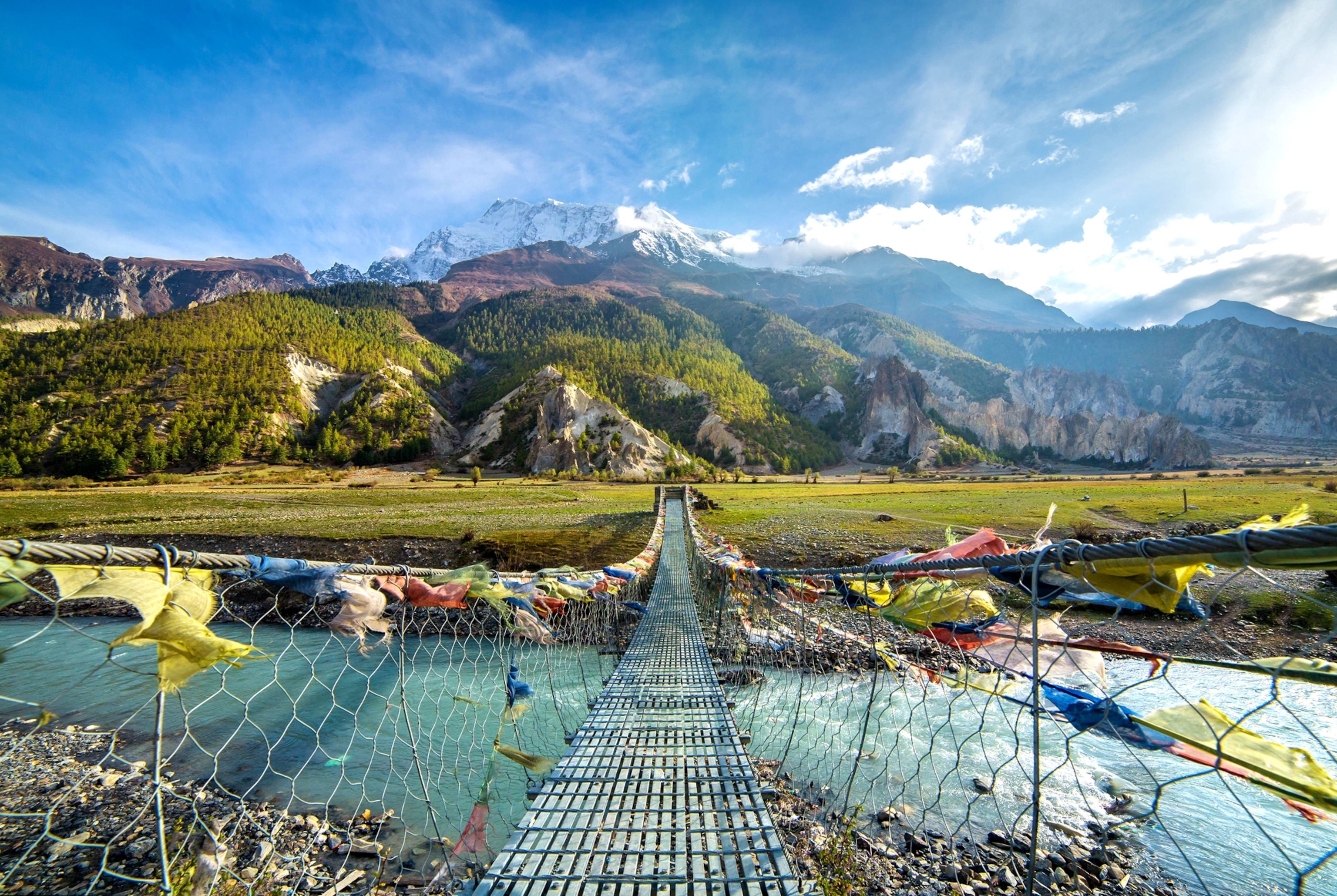
The Annapurna Conservation Area (ACA) in Nepal is one of the world’s most famous mountain trekking destinations and is often cited as a model of community-based ecotourism. Improved road access into mountain valleys, the spread of lodges and teahouses, and global promotion through social media have led to a rapid increase in tourist numbers.
Tourism has raised household incomes and created employment in guiding, portering, accommodation, and transport. However, the region is now facing environmental degradation, including trail erosion, deforestation for fuelwood, waste accumulation along trekking routes, and disturbance to alpine wildlife. At the same time, conflicts have emerged between local communities, trekking agencies, and conservation authorities over road construction, visitor limits, and land-use controls.
A. Analysis (4 points)
Using the Annapurna case, explain:
- Two economic benefits tourism has brought to local communities, and
- Two environmental or social costs associated with the recent growth of tourism.
B. Evaluation (3 points)
Evaluate whether tourism development in the Annapurna Conservation Area can still be considered sustainable.
Support your judgment using at least two sustainability criteria.
C. Synthesis and decision-making (3 points)
Propose three specific tourism management measures suitable for the Annapurna region that could reduce negative impacts while maintaining local economic benefits.
For each measure, briefly explain how it would address the identified problems.